
Our Work
Statewide Bat Acoustic Monitoring of Mine and Cave Portals for the Pennsylvania Game Commission, 2025
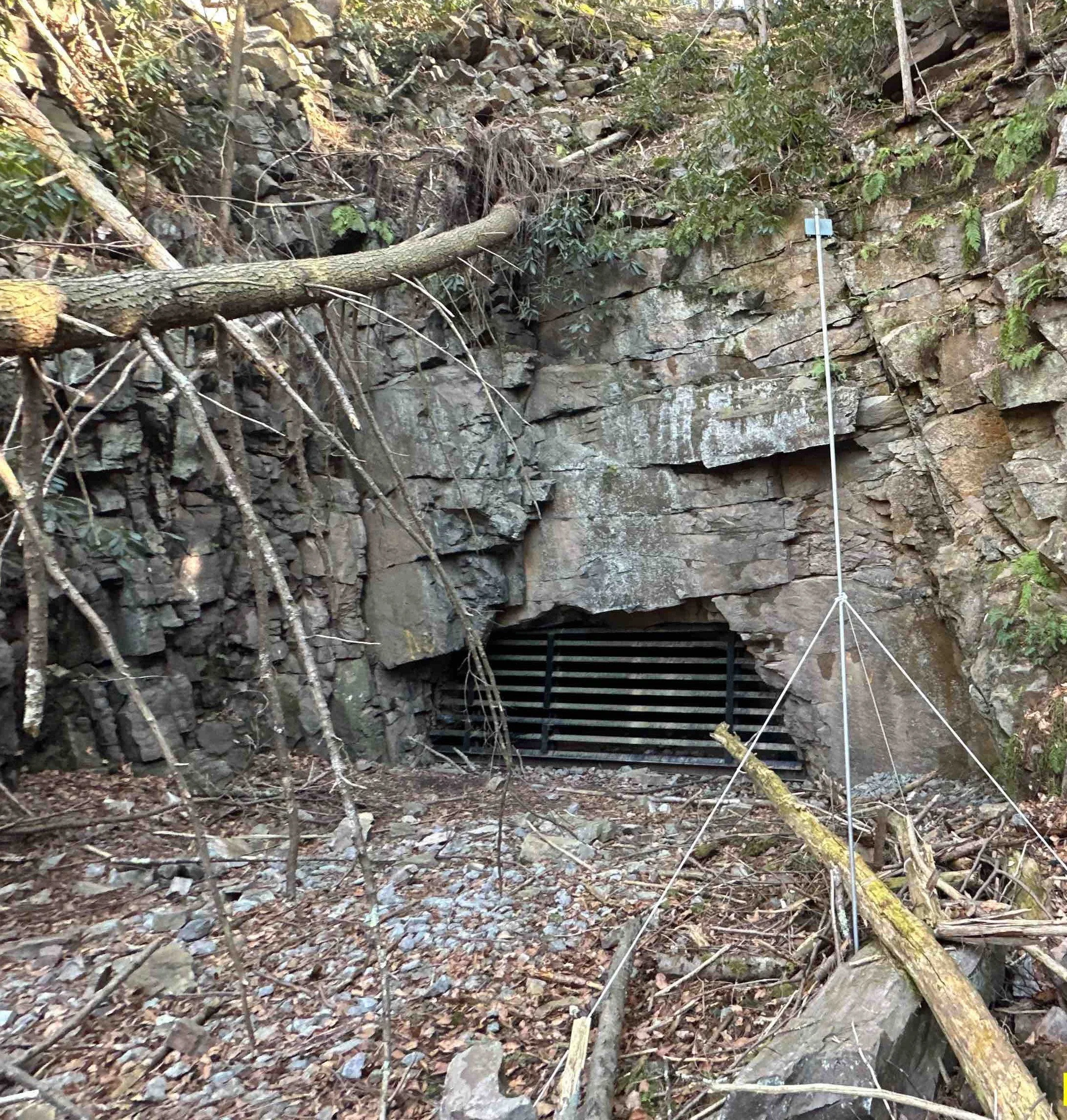
KES biologists conducted passive bat acoustic monitoring for the Pennsylvania Game Commission during the 2025 spring emergence period. Acoustic detectors were placed at 70 portals across the state and set to record nightly for a five week period. Data was analyzed using SonoBat software and compiled into a comprehensive report for submittal to the PGC. The acoustic results will provide information on use by bats, timing of emergence, level of activity, and possible species/guild identification. This information will help prioritize future monitoring and conservation efforts.
Indiana Bat and Northern Long-eared Bat Biological Assessment, 2025
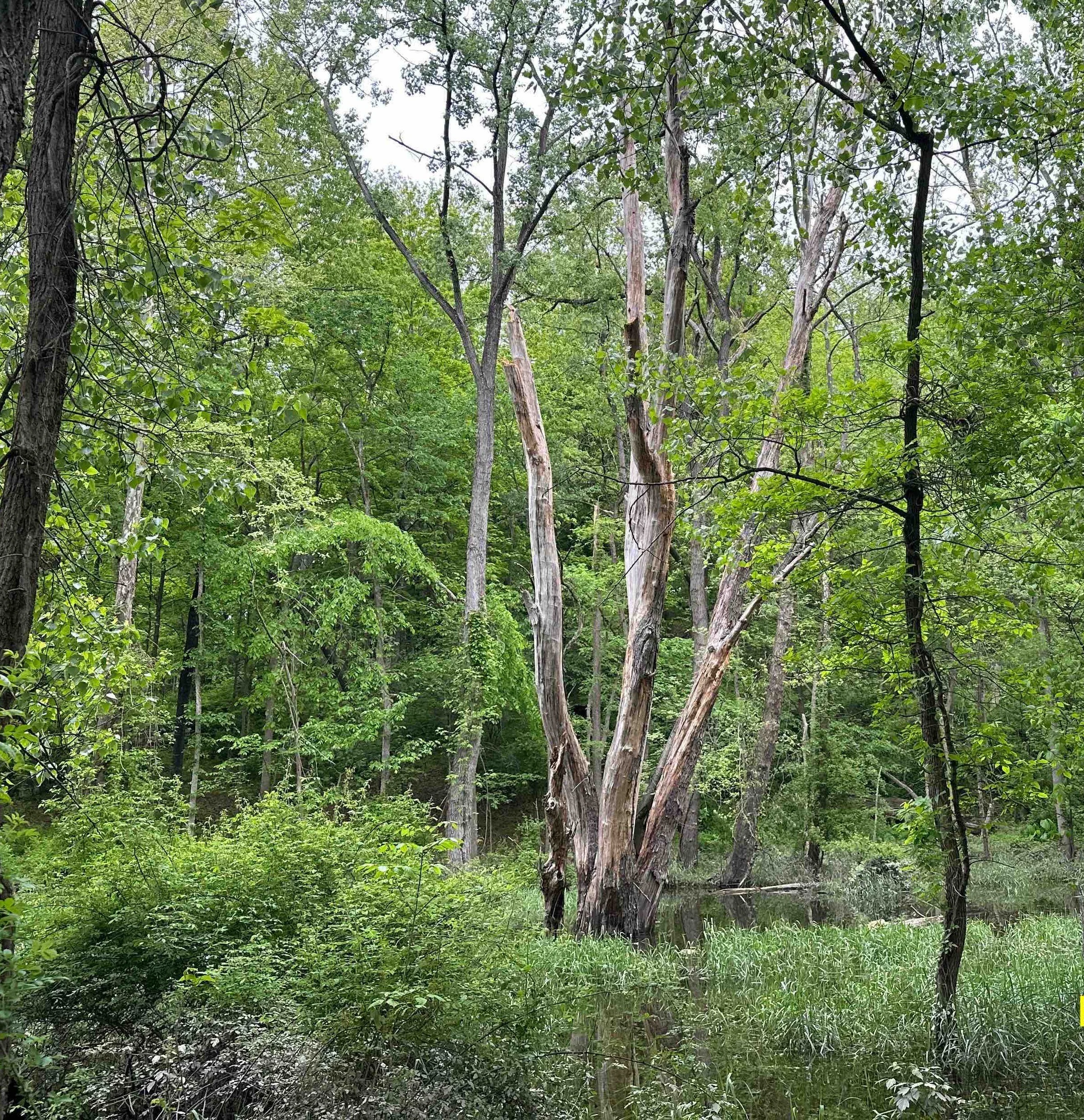
KES was contracted to conduct a bat habitat assessment and prepare a Biological Assessment for a proposed development project in Orange County, New York. The New York State Department of Environmental Conservation (NYSDEC) identified a potential impact from this project on the federally endangered Indiana and northern long-eared bats because of its proximity to known bat occurrences. A field investigation was conducted at the site to document suitable foraging and summer roosting habitat. A Biological Assessment analyzing potential impacts to bats was prepared and submitted to the USFWS. The Biological Assessment contains conservation measures to avoid, minimize, and mitigate impacts to bats, and avoid the need for an Incidental Take Permit and formal consultation with the Service.
Allegheny Woodrat Camera Trap Presence-Absence Survey, Pennsylvania, 2025
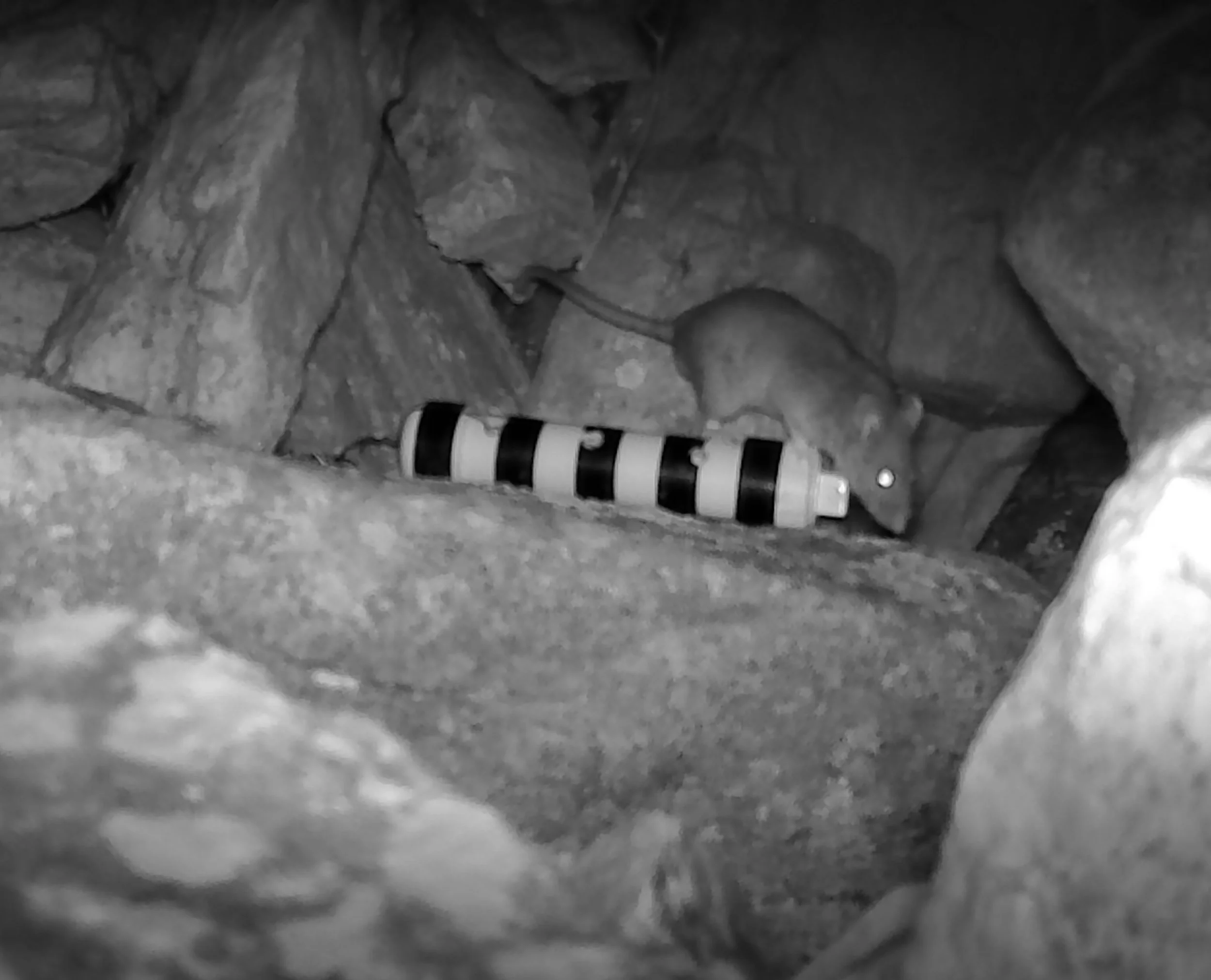
KES conducted an Allegheny woodrat camera trap presence-absence survey for a proposed transmission line rebuild in Franklin County, Pennsylvania. A total of 48 baited infrared cameras were placed across two habitat sites. Cameras were left in place for 14 nights, and photographs were analyzed for the presence of Allegheny woodrats and other mammals. A comprehensive report of findings was submitted to the Pennsylvania Game Commission. Allegheny woodrats were observed at the site. The client was able to consult with the PGC on ways to minimize and avoid impacts to the species in order to complete the Project.
Bat Mist Net Survey, Allegheny National Forest Bradford & Marienville Ranger Districts, PA, 2024
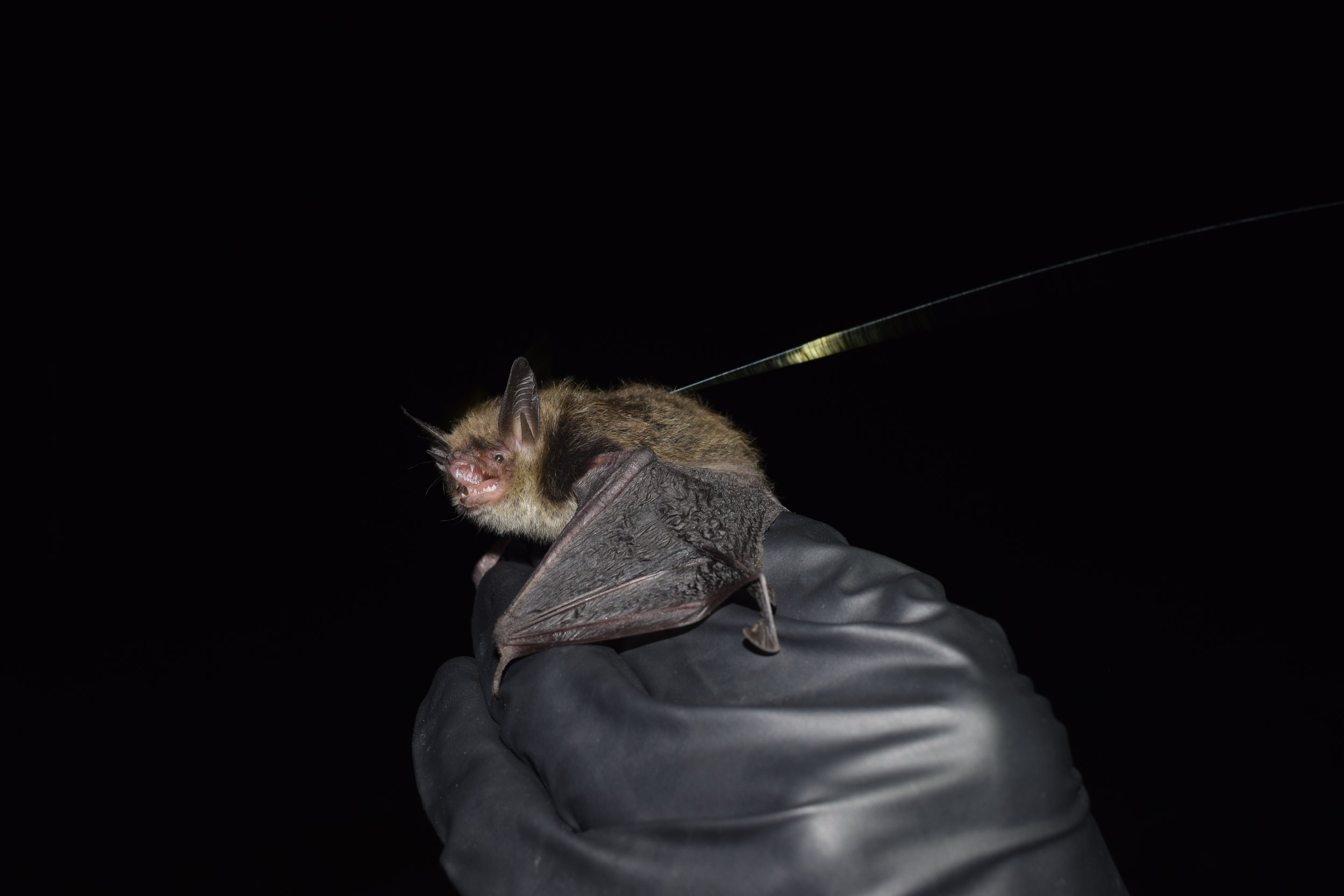
KES was contracted by the U.S. Forest Service to conduct bat mist-net surveys at 30 sites in the Allegheny National Forest. Drew and John were the permitted biologists on site and responsible for all survey aspects including site selection, coordination, processing and identification of bats, and radio-tracking efforts. Surveys focused on the northern long-eared bat, little brown bat, tricolored bat, and Indiana bat. Several target species were captured and radio-tracked to roosts over the course of the survey. Data collected from these surveys will be used by the forest service in its on-going efforts to monitor and manage for these species.
Wetland Delineation, Proposed Well Pad and Waterline Project, Tioga County, PA, 2024-2026
KES was contracted to conduct a wetland delineation for a proposed well pad and waterline in Tioga County, Pennsylvania. Wetlands were delineated and classified in accordance with USACE, Technical Report Y-87-1, Corps of Engineers Wetland Delineation Manual and the Regional Supplement to the Corps of Engineers Wetland Delineation Manual: Northcentral and Northeast Region V. 2.0 One palustrine forested wetland associated with two intermittent streams, four palustrine emergent wetlands, and two palustrine scrub-shrub wetlands were identified during delineations. A report of findings was submitted to the client.

Phase I Potential Bat Hibernacula Assessment, Proposed Development Project, Luzerne County, Pennsylvania, 2023
KES was contracted to conduct a Phase I bat hibernacula assessment and prepare a report of findings for a proposed development project in Luzerne County, Pennsylvania. Openings were assessed using the Potential Hibernacula Survey Guidance of the 2023 Rangewide Indiana Bat and Northern Long-eared Bat Survey Guidelines. Twenty-one openings, including one culvert/tunnel and twenty caves were located and assessed. Seventeen of the openings could not be excluded as potential habitat for hibernating bats.
